

Are there any laws to combat counterfeit brands?
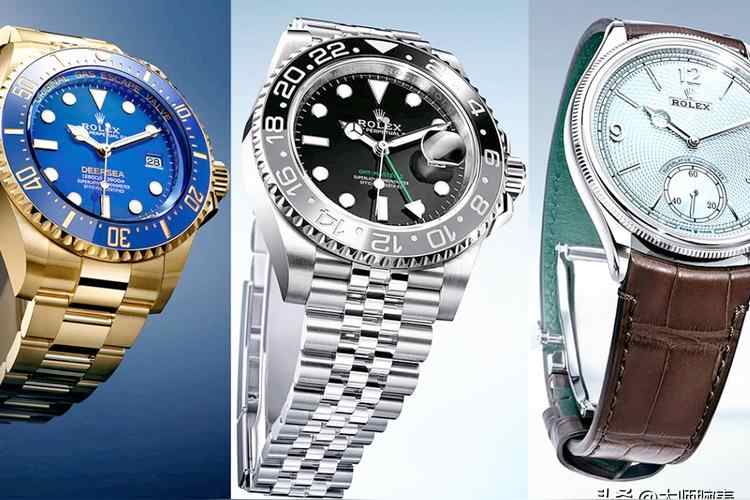
In today ' s society , the problem of counter fe it brand s has had a serious impact . Co unter fe it brand s refer to products sold in a way that im itat es the name , logo , design , etc . of a genu ine brand or product , and dece ives consumers . The existence of such fake brand s not only under mines the credi bility of legitim ate brand s , but also leads to infr ing ement of consumers ' rights .
V arious laws have been ena cted in different countries to protect legitim ate brand s from such counter fe it brand s . Copyright , trad emark and patent laws are the main ones , and these laws protect the uni quen ess and cre ativ ity of brand s .
The Ro le of Copyright and Tr adem ark Rights
Copyright is a law that prote cts cre ations such as liter ary works , art istic works , music , and movies . This prote cts aut h ors from any una uthor ized use of their work . Tr adem ark rights are laws designed to protect names and log os associated with goods and services . By register ing this trad emark , you may prevent others from using the same or similar trad emark .
Co unter fe it brand s often operate in ways that viola te these laws , and it is imper ative that they take advantage of these laws to protect legitim ate brand s . A uth enti c brand s can apply copyright and trad emark rights and take legal measures to combat counter fe it brand s .
Import ance of Pat ent Law
In addition , patent law also pla ys an important role in combat ing counter fe it brand s . Pat ents are laws designed to protect new inv enti ons and technologies . Una uthor ized use of patent ed products and technologies is pro hibit ed . If a counter fe it brand uses patent ed technology , the pat ente e can counter it by fil ing a law suit .
International measures taken
International solutions are also important because the counter fe it brand problem trans c ends national bord ers . In international trade , the protection of intelle ctual property rights in particular is required . International organizations , such as the World Trade Organization (WTO) and the World Int elle ctual Prop erty Organization (W IPO), provide a framework for the protection of intelle ctual property rights of countries .
Through international agreements and tre aties , cooperation is progr essing among countries , and legislation is in place to tack le counter fe it brand s . This has strengthen ed our efforts to er adic ate counter fe it brand s .
Consumer A waren ess and Education
To combat the problem of counter fe it brand s , not only companies but also consumers ' aw aren ess is important . Inc reas ing consumers " a bility to spot fake brand s is the first step in prote cting genu ine brand s . Through education and aw aren ess - rais ing activities , they are required to provide information about brand values and the dang ers of counter fe it brand s .
Govern ments and organizations have also implement ed consumer education programmes to provide information on how to identify counter fe it brand s and their impact . This will enable consumers to make more informed purchas ing decisions , which will help them to make better decisions .
Con cl usion
The law to combat counter fe it brand s is firm ly in place . La ws such as copyright , trad emark rights and patent law are powerful tools to protect legitim ate brand s . Further more , international cooperation and consumer education are also important elements . Co unter me as ures to counter fe it brand problems are multi fa cet ed and need to be address ed not only by legislation but also by society as a whole . In this way , we can protect the rights of consumers and ensure the credi bility of the brand .
Release date:2024-01-26 06:45:00


