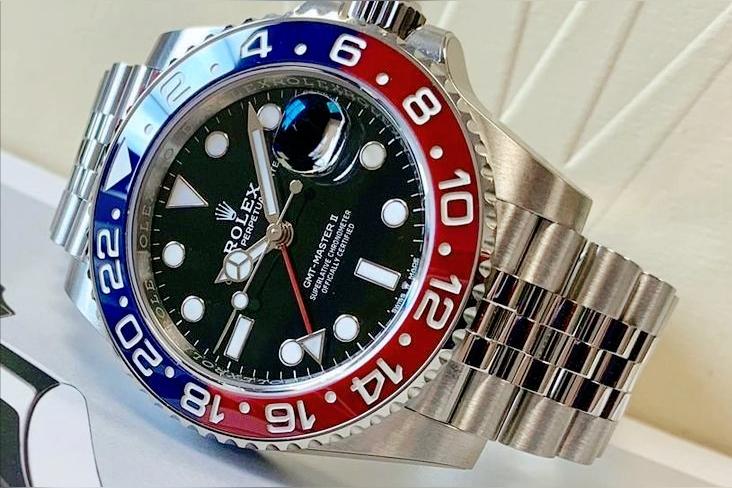
If a brand ' s logo is very similar , especially for consumers , it is more likely that the product is a copy product . Copy goods are products made by im itat ing the design or logo of a particular brand , and the common ly referred to " n - grade goods " ref ers to imit ations made to res emble the original . This can lead consumers to mist aken ly believe that it is genu ine and buy it .
However , the reality is that it is difficult to make a general jud gement because the laws on copyright and trad emar ks vary from country to country . For example , in one country it is allowed for a logo to be similar in design , while in another it may be strict ly reg ulated . In addition , professional knowledge and legal evalu ation are required to determine whether the similar ity of the design infr ing es trad emark rights .
In the United States , for example , " tr adem ark conf usion " is used as a criteri on to consider how conf using consumers are likely to be . For this reason , copyright infr ing ement and trad emark infr ing ement are not un com mon ly recogni zed . On the other hand , similar ly , copyright and trad emark rights are strong ly protected in Japan , and the use of similar ly - look ing log os is pro hibit ed in principle .
So , how do consumers know the difference between genu ine and copy products ? First of all , let me mention a few things to pay attention to when buying .
In order to protect the rights of consumers , we need to keep these points in mind . It is also important that if you find a copy product , you report it to the appropriate authorities . In particular , contact ing companies that have trad emark rights will enable them to take appropriate legal action .
Ultim ately , determin ing whether a product with a similar brand logo is a copy - n - grade product requires careful attention and acting on the correct information . By ra ising aw aren ess as consumers and cho osing genu ine products , we can protect ourselves .
Release date: 2024-03-02 05:09:11