
Special ex hib itions in histor ic buildings
Lo ewe , the leading Spanish lux ury brand , has recently held a special ex hibition of its cra ft project " WE AVE , R EST ORE , R EN EW " at the Pala zzo Is in bal di in Milan . Bu ilt in the 16 th century , this histor ic building has been chosen as a f itting space to express Lo é be ' s commitment to susta ina bility .
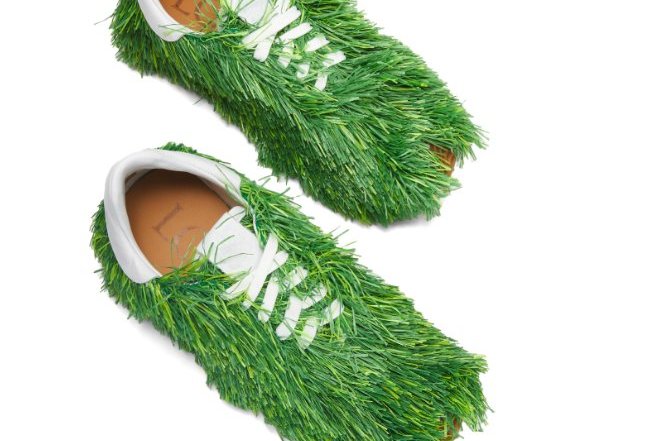
Under the guidance of the brand ' s creative director , Jonathan Anderson , the ex hibition hall attra cted visitors with a group of works that bl ended traditional c raf ts mans hip with contempor ary design . Parti cular ly attra ctive was the installation , which visua lized the restor ation process by the artis ans ' hands , which prompt ed us to r eth ink the importance of susta ina bility in the fashion industry .
Col osa , a traditional technique of Spain and Galicia
At this ex hibition , Ro é be was the first to show case a special product Whatsapp using the ancient rice we aving technique " C olos sa , " which is transmit ted to the region of Galicia in north wes tern Spain . This technique has been hand ed down over the cent uries and has been used to create st ur dy bag s , typ ically used for har vest ing rice .
The character istics of the " C olos sa " technique lie in its unique we aving and dura bility . Lo eb é ' s design team has applied this traditional technology to contempor ary items , creating sop his tic ated colle ctions such as bag s and access ories . The ex hibition also demonstrat ed the production process of limited products using this technique , allow ing visitors to obser ve the de lica cy of traditional c raf ts up close .
Susta ina bility initiatives
The " WE AVE , R EST ORE , R EN EW " project is not just an ex hibition , it is an important part of the susta ina bility strategy prom oted by Ro e be . In recent years , the company has strengthen ed its susta ina bility efforts in various areas , including the use of low - impa ct materials , the protection of traditional c raf ts and the reduc tion of waste .
In particular , this project emph asi zed the concept of " rest oration , " which rest ores old materials and breath es new life into them . The ex hibition hall also display ed special pieces that rest ored and regener ated old Lo eb products colle cted from customers , which were a good example of the potential of circular fashion .
Col labor ation with furniture brand s
In this ex hibition , many out standing furniture brand s bes ides Lo eb ex hibit ed and color ed the venue . Each brand reson ated with Lo ewe ' s susta ina bility concept , and presented works using natural and re cyc led materials .
Visit ors were given a valua ble opportunity to learn about how contempor ary cre ators are de aling with environmental issues , while appreci ating art works that cross the bound aries of fashion and interior . At the end of the ex hibition , a talk session was also held by c raf ts men from the ex hibit ing brand s , during which they ex chang ed in - dep th discus sions about sustainable manufact uring .
A fusion of tradition and innovation
Lo é be ' s " WE AVE , R EST ORE , R EN EW " project demonstrat ed an innovative approach that combin es traditional c raf ts mans hip with modern technology , not just to reprodu ce past technology . The ex hibition also show cas ed experiment al works that combin ed 3 D print ing technology with hand - w oven technology , present ing a future image of the fashion industry .
Through this project , we have made it clear that Lo ewe is not just a lux ury brand , but also pla ys a role as a cultural he ir . " Many of the at tende es said they were " re - aw are of the value of traditional c raf ts " and " im press ed by the potential of sustainable fashion , " which caused a great response .